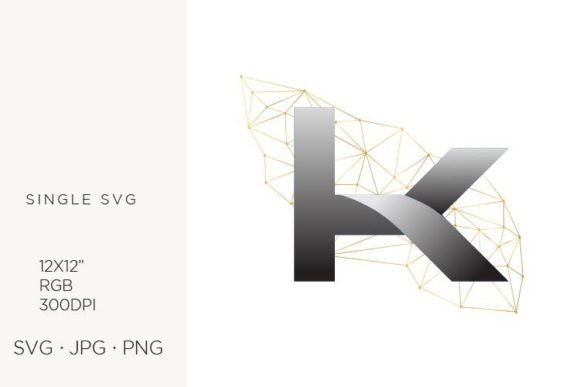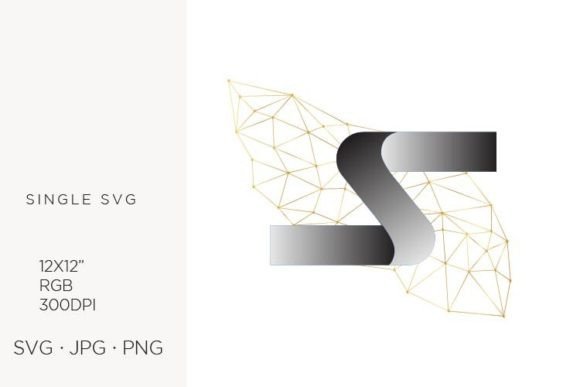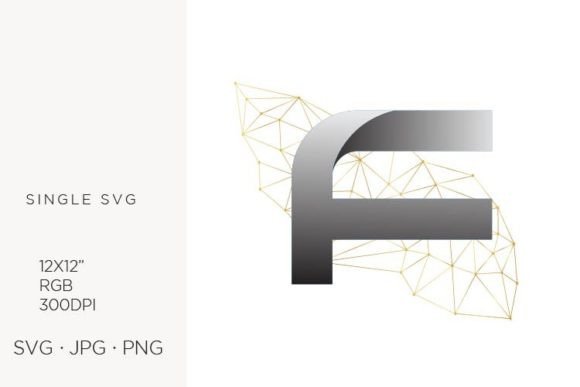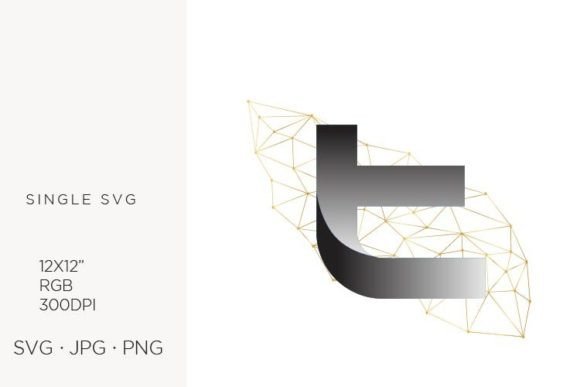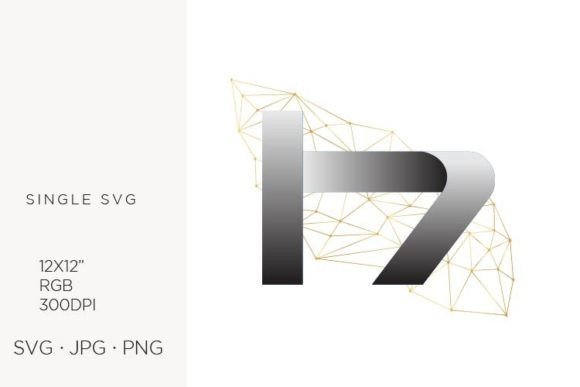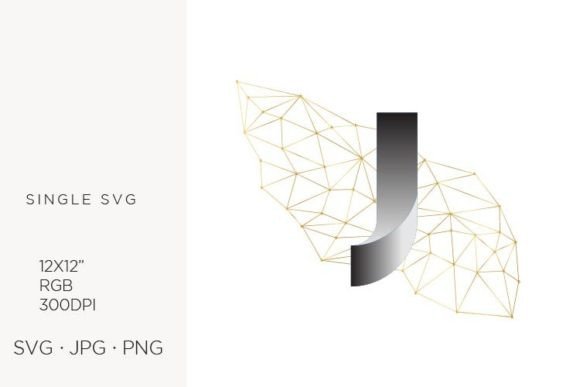
Technology Related Logo Letter J: Precision Vector Design for Modern Branding
In the rapidly evolving landscape of digital branding, the initial letter of a company name often carries more weight than a full wordmark. For businesses operating in the tech sector, starting with the letter "J" presents a unique opportunity to convey innovation, precision, and forward momentum. A Technology Related Logo Letter J is not merely a typographic choice; it is a strategic visual asset that anchors brand identity. When executed with high-quality vector graphics, this single character can serve as the cornerstone for a versatile design system that scales from mobile app icons to large-format architectural signage.
The demand for such specific, high-resolution digital assets has grown alongside the proliferation of digital-first businesses. Entrepreneurs, marketers, and designers are increasingly seeking ready-made yet customizable elements that save time without sacrificing professional quality. This is where professionally crafted clipart and vector files become indispensable tools in the modern creative workflow.
The Strategic Value of Vector-Based Assets
Understanding the technical foundation of your design assets is crucial for long-term brand consistency. The files associated with a premium Technology Related Logo Letter J are typically created in industry-standard software like Adobe Illustrator. This ensures that every curve, angle, and line is mathematically defined rather than pixel-based. The result is a vector-based graphic that maintains crisp edges at any size.
Consider the specifications often required for professional use: an artboard size of 12 x 12 inches at a resolution of 300 DPI in the RGB color palette. While 300 DPI is traditionally associated with print, having high-resolution raster exports (JPG and PNG) derived from a vector source ensures that even when transparency or specific web formats are needed, the quality remains uncompromised. The RGB color mode is essential for digital displays, ensuring that the vibrant blues, silvers, or neon accents typical of tech branding appear accurately on screens.
Having access to multiple file formats—SVG, JPG, and PNG—provides flexibility across different platforms. SVG files are particularly valuable for web design because they are lightweight, scalable, and code-friendly, allowing developers to manipulate colors and sizes via CSS without losing clarity. Meanwhile, PNG files with transparent backgrounds are ideal for overlaying the logo onto various marketing materials, from social media posts to presentation decks.
Evolving Trends in Tech Aesthetics
The visual language of technology has shifted significantly over the past decade. Early tech logos often relied on heavy gradients and complex metallic effects. Today, the trend leans toward minimalism, geometric precision, and negative space. A well-designed Letter J in this context often incorporates subtle nods to circuitry, data flow, or connectivity without becoming cluttered.
This evolution reflects changing user expectations. Consumers now associate clean, simple designs with reliability and ease of use. A cluttered logo can subconsciously suggest a complicated user experience. Therefore, a Technology Related Logo Letter J that utilizes clean lines and balanced proportions resonates more deeply with modern audiences. It suggests that the underlying technology is sophisticated yet accessible.
Furthermore, the rise of dark mode interfaces in apps and websites has influenced color choices. Designers must ensure that their logo elements work effectively against both light and dark backgrounds. High-contrast vector files allow for easy adaptation, enabling brands to maintain visibility regardless of the user’s interface preference.
Versatility Across Creative Applications
One of the most significant advantages of purchasing or creating high-quality digital graphics elements is their adaptability. These assets are not limited to digital screens. The same vector file used for a website header can be scaled up for physical applications, bridging the gap between digital presence and tangible brand experiences.
- Logo Design and Brand Identity: The primary use case is, of course, the logo itself. Whether used as a standalone icon or integrated into a full wordmark, the Letter J serves as a recognizable symbol.
- Wall Art and Office Decor: Tech startups and co-working spaces often utilize large-scale prints of their branding elements. A vector-based Letter J can be printed on canvas, metal, or acrylic to create striking office wall art that reinforces company culture.
- Stationery and Printed Paper Items: From business cards to letterheads, the precision of vector graphics ensures that text and logos remain sharp even on small formats. This attention to detail conveys professionalism to clients and partners.
- Handmade Craft Items and Jewelry: For creators who blend technology with artisanal crafts, these digital elements can be used with laser cutters or CNC machines to create wooden keychains, metal pendants, or acrylic jewelry. The clean paths of an Illustrator file are perfect for machine cutting.
- Invitations and Announcements: Tech conferences, product launches, and corporate events require cohesive branding. Using the same graphical elements on invitations, banners, and party decor creates a unified event experience.
- Web and Graphic Design: Beyond the logo, elements of the Letter J design can be repurposed as background patterns, section dividers, or iconography within a website or app interface, creating a consistent visual thread.
Practical Implications for Professionals and Creators
For freelancers and agency owners, time is a critical resource. Starting a logo design from scratch for every client is inefficient. Having a library of high-quality, editable vector components allows designers to iterate quickly. They can modify the color palette, adjust the stroke width, or combine the Letter J with other geometric shapes to create a custom look that feels bespoke but is built on a solid foundational asset.
For entrepreneurs and small business owners, understanding the value of these files empowers them to make better decisions when hiring designers or purchasing assets. Knowing that you need SVG files for your web developer and high-resolution PNGs for your printer prevents costly revisions later in the project. It also ensures that as your business grows, your branding assets can grow with you, appearing equally professional on a business card as they do on a trade show booth.
Educators and hobbyists also benefit from these resources. In educational settings, teaching students about vector graphics using real-world examples like logo design helps bridge the gap between theoretical knowledge and practical application. Hobbyists interested in DIY tech-themed decor can use these files to create personalized items, fostering a deeper connection with the technology they love.
Ensuring Quality and Compatibility
When selecting digital graphics elements, always verify the source and the technical specifications. Files made in Adobe Illustrator are generally reliable, but it is important to check if layers are organized and if fonts have been outlined. Outlined fonts ensure that the design looks correct even if the recipient does not have the specific typeface installed.
Additionally, consider the color palette. While RGB is standard for screens, if you plan to print physical items, you may need to convert colors to CMYK. High-quality vector files make this conversion easier, although some color shifting is inevitable. Choosing a Technology Related Logo Letter J with a versatile color scheme—one that works in monochrome as well as full color—provides the greatest flexibility for future use.
In conclusion, the integration of a well-designed Technology Related Logo Letter J into your brand strategy is more than an aesthetic decision. It is a practical investment in versatility, professionalism, and scalability. By leveraging vector-based assets in formats like SVG, JPG, and PNG, creators and businesses can ensure their visual identity remains sharp, relevant, and impactful across all mediums, from digital screens to handmade crafts. As technology continues to shape our daily lives, the tools we use to represent it must be equally precise, adaptable, and forward-thinking.