Integrating Rose Flowers As a Part of Letter I Into Your Creative Workflow
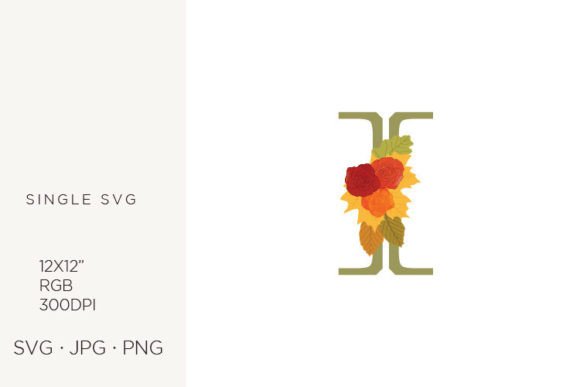
In the modern digital design landscape, efficiency is not merely about speed; it is about maintaining high-quality output while minimizing repetitive tasks. For graphic designers, small business owners, and creative entrepreneurs, the ability to seamlessly integrate pre-made assets into broader projects is a critical skill. One such asset that offers significant versatility is Rose Flowers As a Part of Letter I. This specific vector artwork serves as more than just a decorative element; it acts as a foundational component in branding, stationery design, and personalized craft projects. Understanding how to effectively utilize this asset requires a shift from viewing it as a static image to seeing it as a dynamic tool within your production pipeline.
The core value of this digital graphic lies in its adaptability. Whether you are developing a cohesive brand identity or creating one-off handmade items, the integration of floral typography can elevate the perceived value of the final product. However, successful implementation depends on proper file management, an understanding of technical specifications, and strategic placement within your design hierarchy. This article explores the practical aspects of using this vector element, focusing on workflow integration, technical compatibility, and real-world applications.
Technical Foundations and File Compatibility
Before incorporating any digital asset into a professional workflow, it is essential to understand its technical architecture. The Rose Flowers As a Part of Letter I package is designed with professional standards in mind, ensuring compatibility across various software ecosystems. The inclusion of an SVG file is particularly crucial for web designers and those working with cutting machines. Scalable Vector Graphics allow for infinite resizing without loss of quality, making them ideal for both large-format printing and small-scale digital icons.
For traditional print workflows, the provided JPG and PNG files at 300 DPI resolution offer immediate usability. The 300 DPI standard is non-negotiable for high-quality physical prints, ensuring that edges remain crisp and colors appear vibrant. The PNG file, featuring a transparent background, eliminates the need for manual background removal, saving valuable time during the compositing phase. This transparency allows the letter to be layered over textured papers, complex patterns, or photographic backgrounds without visual conflict.
It is also important to note that these files are created in Adobe Illustrator and saved as version 10. This specific version choice ensures backward compatibility, allowing users with older software versions to access and edit the vector paths if necessary. For those using alternative vector programs like CorelDRAW or Inkscape, the SVG format serves as a universal bridge, preserving the editability of the curves and nodes that define the rose petals and the letter structure.
Strategic Applications in Branding and Identity
One of the most impactful ways to use Rose Flowers As a Part of Letter I is in the development of logos and brand marks. For businesses in the wedding, beauty, wellness, or boutique retail sectors, floral typography conveys elegance, growth, and natural beauty. When integrating this element into a logo design, consider the balance between the organic shapes of the roses and the structural rigidity of the letter "I".
Start by placing the vector on your artboard, which is sized at 12x12 inches. This square format provides ample whitespace to experiment with scaling and positioning. You might choose to use the letter as a monogram for a personal brand or as part of a larger wordmark. Because the file is vector-based, you can adjust the color palette to match your brand guidelines precisely. The RGB color palette mentioned in the file details is optimized for screen display, but since the source is vector, you can easily convert the colors to CMYK for print production without significant degradation.
Consistency is key in branding. Once you have established how the floral letter interacts with your other brand elements, document these usage rules. This ensures that whether the asset is used on a business card or a website header, it maintains its integrity and recognizability. The clean lines of the vector artwork ensure that it remains legible even when scaled down for favicon use or social media profile pictures.
Enhancing Stationery and Printed Materials
Beyond digital branding, this asset shines in the realm of physical print products. Stationery, invitation cards, and announcements benefit greatly from the tactile and visual appeal of floral designs. When designing wedding invitations or party decor, the Rose Flowers As a Part of Letter I can serve as a focal point or a subtle watermark.
For printed paper items, the 300 DPI resolution of the included raster files ensures that the intricate details of the rose petals are reproduced accurately. If you are using home printers or professional print-on-demand services, always verify the color profile. While the original file is in RGB, most commercial printers require CMYK. Use your design software to soft-proof the colors before sending the final file to print to avoid unexpected shifts in hue, particularly in the deeper reds and greens of the roses.
Handmade cards and announcements also offer a unique opportunity for mixed-media application. You can print the design on high-quality cardstock and then embellish it with physical materials such as ribbons, glitter, or pressed flowers. The vector nature of the original design means you can isolate specific parts of the rose or the letter if you wish to create custom die-cut shapes or stencils for hand-painting.
Workflow Integration for Crafters and Makers
For hobbyists and small business owners involved in handmade craft items, the SVG file is an indispensable resource. It allows for direct import into cutting machine software, enabling the creation of vinyl decals, iron-on transfers, or paper cuts. The precision of the vector paths ensures that the cutting blade follows the contours of the roses and the letter smoothly, reducing material waste and improving the finish of the final product.
When preparing the file for cutting, it is advisable to ungroup the elements in your vector software. This allows you to separate the letter "I" from the floral accents if needed, or to assign different cut lines to different layers. For example, you might cut the letter from one color of vinyl and the roses from another, then layer them for a multi-dimensional effect. This level of customization is only possible because the source file is a true vector, not a flattened image.
Organization is crucial in a crafting workflow. Keep the original ZIP file archived and maintain a library of edited versions for specific projects. Label your files clearly with the project name and date to avoid confusion later. This practice not only saves time but also ensures that you can replicate successful designs for future orders or seasonal collections.
Web Design and Digital Marketing Assets
In the digital sphere, the lightweight nature of the SVG file makes it ideal for web design. Unlike raster images, SVGs scale perfectly on retina displays and mobile devices, ensuring that your graphics look sharp regardless of the screen size. You can use Rose Flowers As a Part of Letter I as a decorative element in website headers, blog post featured images, or email newsletter templates.
Furthermore, because SVG code is text-based, it can be manipulated with CSS for interactive effects. You can change the color of the roses on hover or animate the drawing of the letter path to engage users. This adds a layer of sophistication to your web presence without significantly impacting load times. For marketers, this asset can be repurposed for social media graphics, where visual consistency helps build brand recognition. The transparent PNG is particularly useful here, allowing the design to sit cleanly over various background colors or images used in posts and stories.
Quality Control and Long-Term Usability
To maximize the return on investment for this digital asset, adopt a mindset of long-term usability. Regularly review how the element performs across different mediums. Does the color hold up in direct sunlight for outdoor signage? Is the line weight sufficient for small-scale embroidery? These questions help refine your usage strategy over time.
Additionally, stay updated with software changes that might affect file compatibility. While Adobe Illustrator version 10 is widely supported, newer features in design software may offer enhanced ways to manipulate vector data. Experiment with these tools to discover new possibilities for the Rose Flowers As a Part of Letter I asset. By treating this single vector artwork as a flexible component rather than a fixed image, you unlock its full potential across diverse creative endeavors.
Ultimately, the successful integration of this floral letter design depends on thoughtful planning and technical proficiency. By understanding the strengths of each file format and aligning them with your specific project needs, you can create cohesive, high-quality outputs that resonate with your audience. Whether you are designing a logo, crafting an invitation, or building a website, this asset provides a solid foundation for elegant and effective visual communication.